Treasures of Turkey
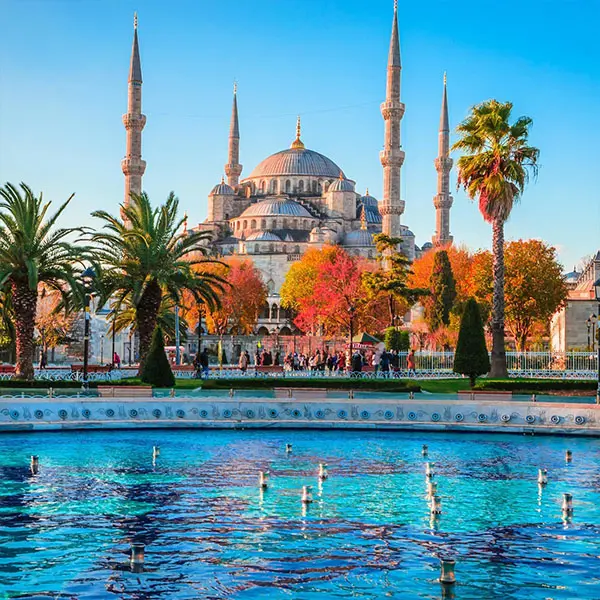
Delve into the rich culture and history of Turkiye on an intoxicating journey across this incredible land.
- Return flights
- 11 nights in 4-star hotels and 23 meals
- 23 meals: 11 breakfasts, 2 lunches and 10 dinners
Delve into the rich culture and history of Turkiye on an intoxicating journey across this incredible land.
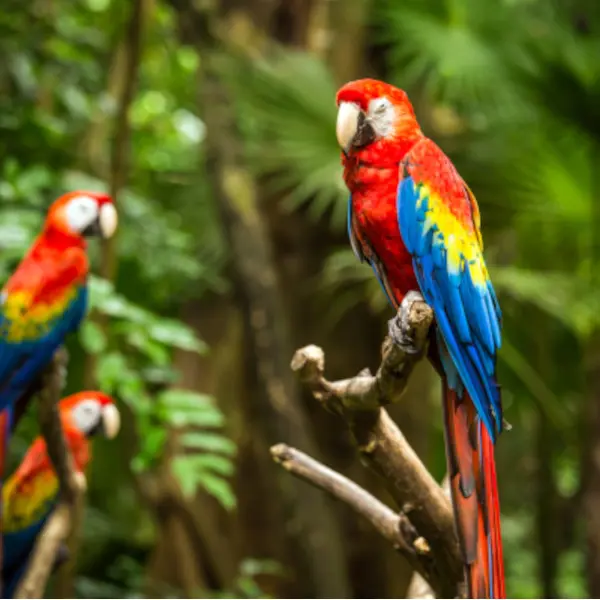
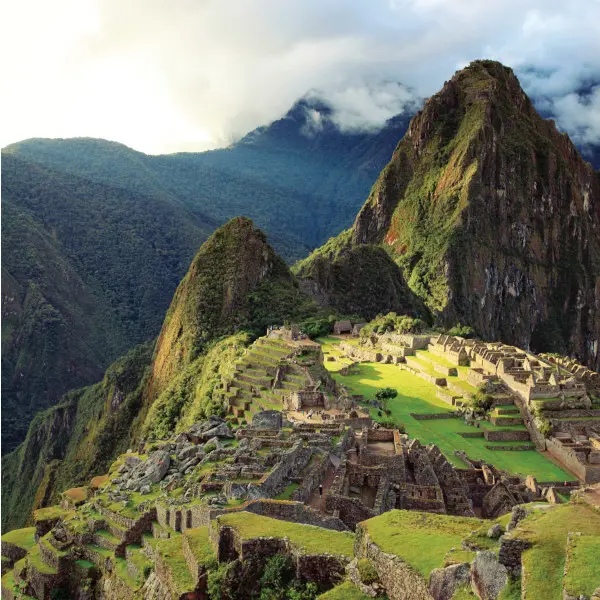
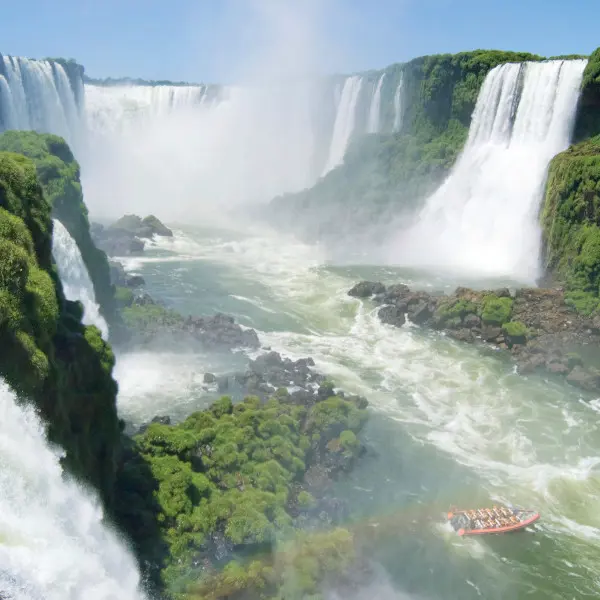
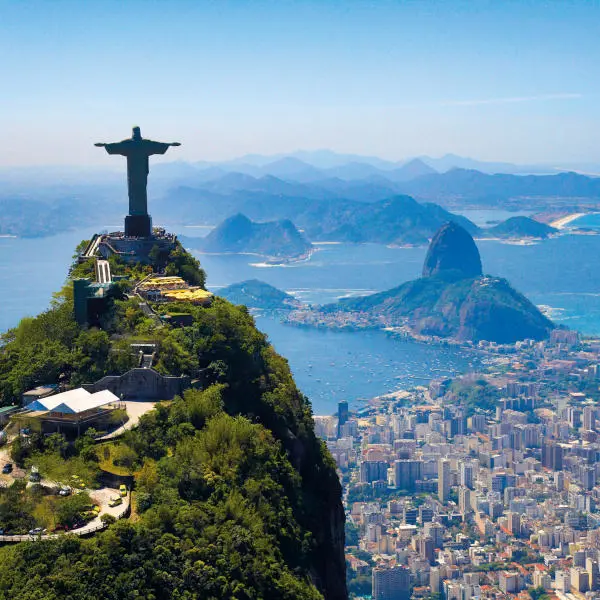
A chance to explore breathtaking sights in three fascinating South American countries.
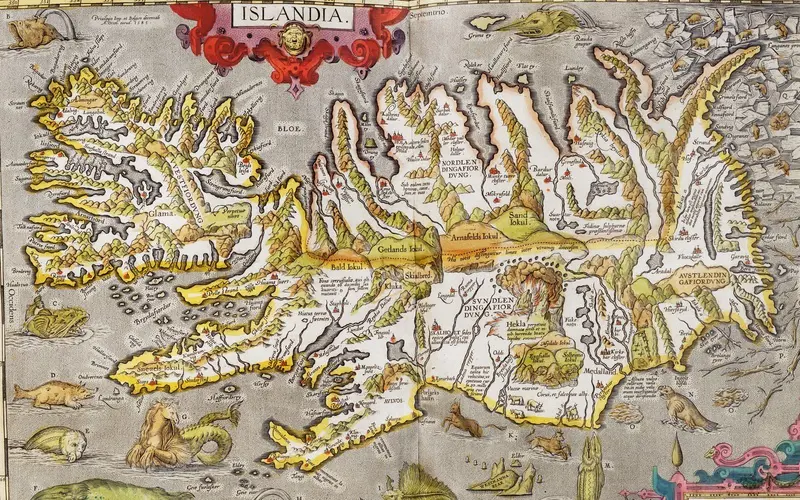
The Society's Collections comprise over 700 items specifically relating to the historical geography of Iceland. Highlights include nineteenth century photography of Iceland by John Edward Tenison-Woods and Karl Grossman and early illustrated accounts of voyages and expeditions to the island in the 17th and 18th centuries.
In the footsteps: John Edward Tenison-Woods | In the footsteps: Olive Murray Chapman | In the footsteps: Ethel Brilliana Tweedie
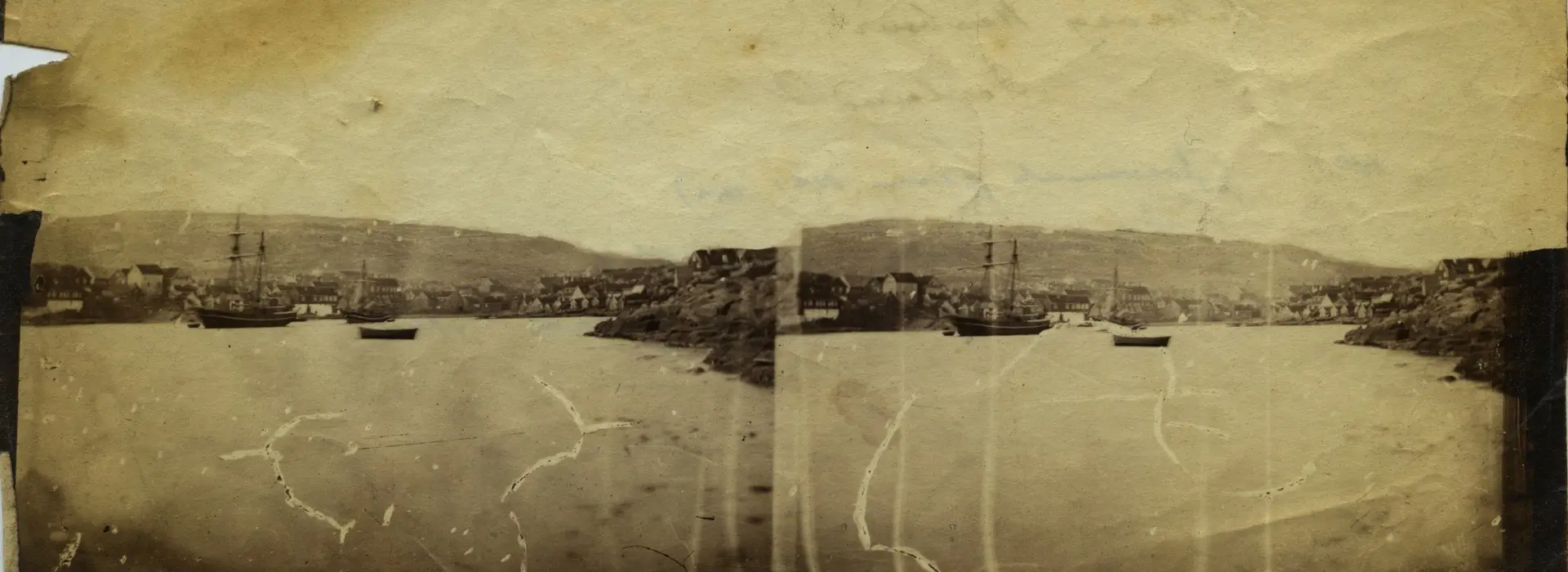
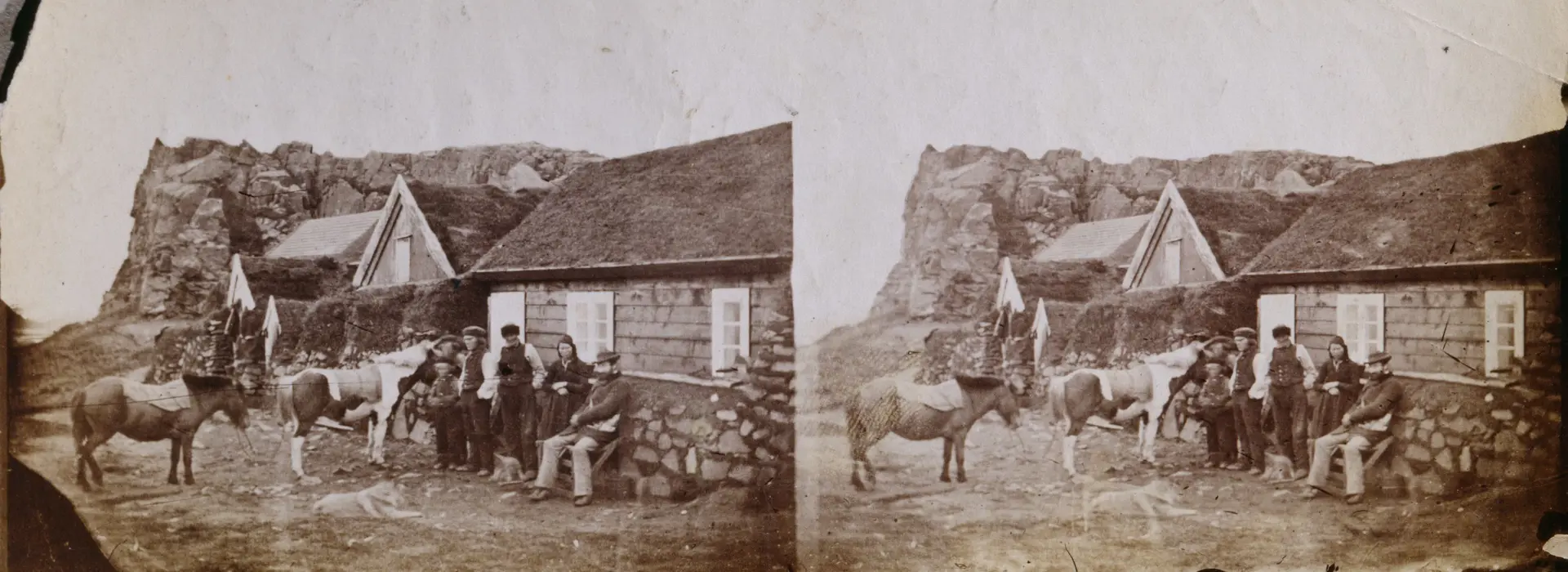
At the age of 25, John Edward Tenison-Woods (1835-1909) joined the 1860-1861 Fox Surveying Expedition under the command of Captain Allen Young. The expedition aboard the Fox, a steam yacht previously used by Leopold McClintock in the search for John Franklin’s ill-fated expedition to locate the North-West Passage, was to carry out hydrographic surveys for the Atlantic Telegraph Company. The aim was to identify a viable route for a proposed North Atlantic submarine telegraph cable. The Fox successfully conducted seabed topographic mapping in the ice-prone sub-Arctic waters of Iceland, Greenland and the Faroe Islands and advanced cable planning by providing essential information on seabed routes and identifying optimal, ice-free landing points for the cable.
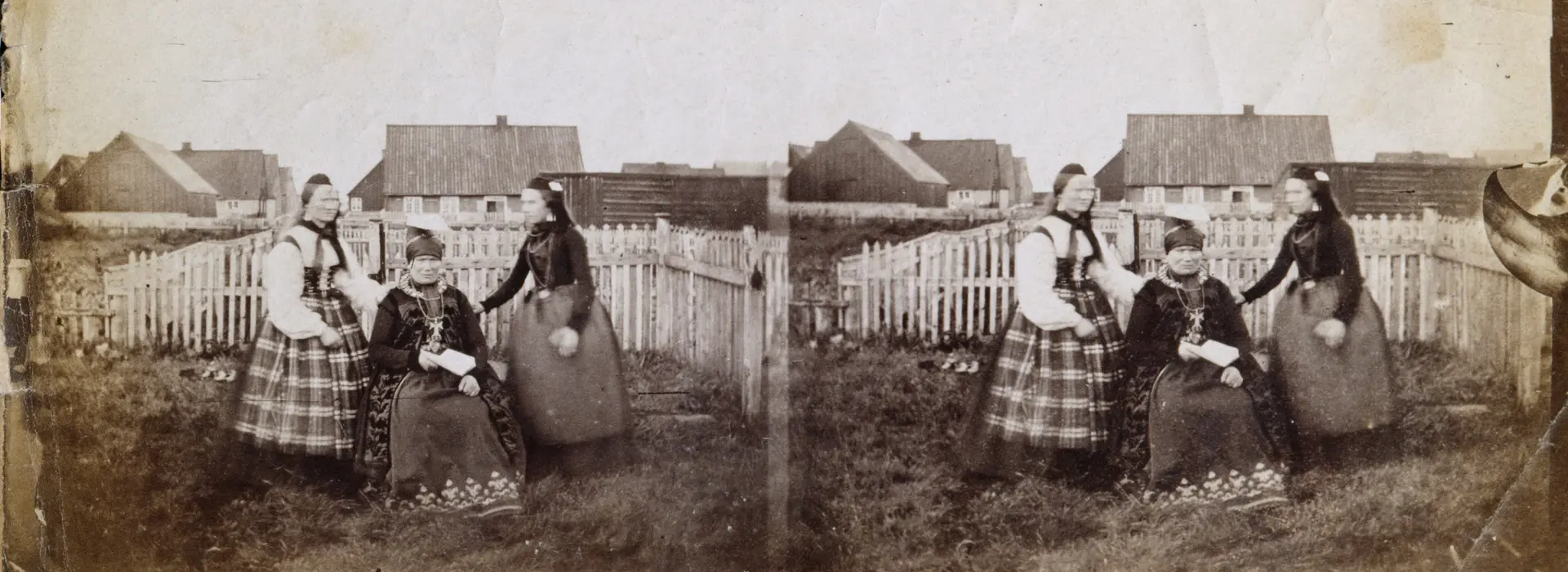
Tenison-Woods took stereoscopic photographs of the people and places he encountered during this expedition, which when viewed with a hand-held stereoscope enabled the viewer to see images in 3D. A collection of 72 stereographs by Tenison-Woods are held in the Society’s Collections, along with his diary of the expedition, and are some of the earliest known photographs of Iceland, Greenland and the Faroe Islands.
After losing her husband during the First World War, Olive Murray Chapman (1892-1977) decided to travel the world. She preferred to explore more remote destinations and was particularly drawn to the Arctic, travelling to Iceland and Lapland.
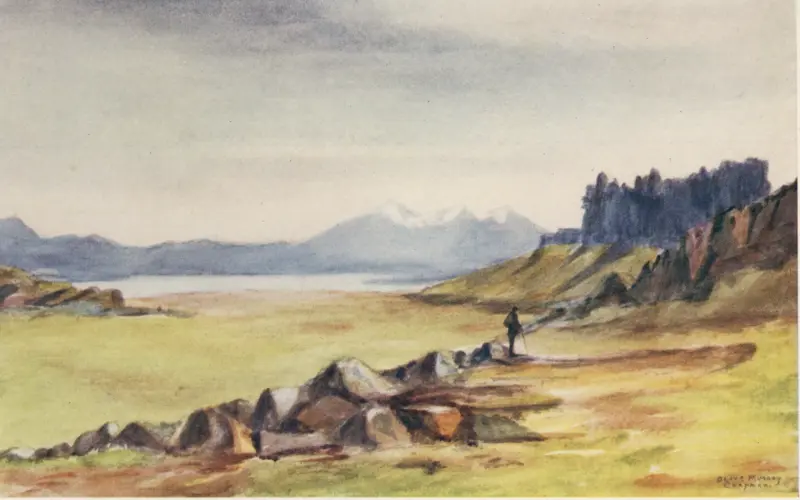
Chapman travelled to Iceland in 1926, arriving in the south of the island. She was keen to travel away from the tourist trail and journeyed by pony to the Snæfellsnes Peninsula, before travelling north-east to explore Akureyri, Goðafoss and Lake Mývatn. She was an accomplished artist and made numerous watercolour paintings and took photographs of her travels, using these to illustrate her book, ‘Across Iceland: the land of frost and fire’, which was published in 1930.
As a Fellow of the Royal Geographical Society, she lectured to the Society about her travels, as well as to the Royal Scottish Geographical Society and the Royal Asiatic Society.
‘No place in Iceland is of greater interest to the traveller than the great plain of Thingvellir, with its mighty rocks and chasms, its beautiful lake in the background, and its historic associations’.
Olive Murray Chapman in ‘Across Iceland: the land of frost and fire’, 1930
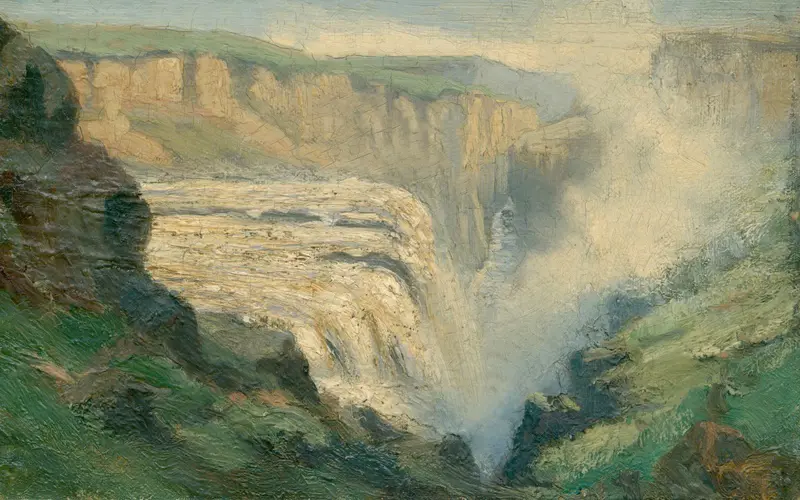
Image: ‘At Thingvellir, facing the Lögberg’. Illustration from ‘Across Iceland: the land of frost and fire’ by Olive Murray Chapman, 1930
Ethel Brilliana Tweedie (1862-1940) was one of the first female travel writers. Writing under the name, Mrs Alec Tweedie, she published over 30 books, mainly about her travels. Born in 1862, she was the daughter of the acclaimed doctor, George Harley (of Harley Street). Her privileged upbringing allowed her to travel widely – including to Scandinavia, the Middle East and America.
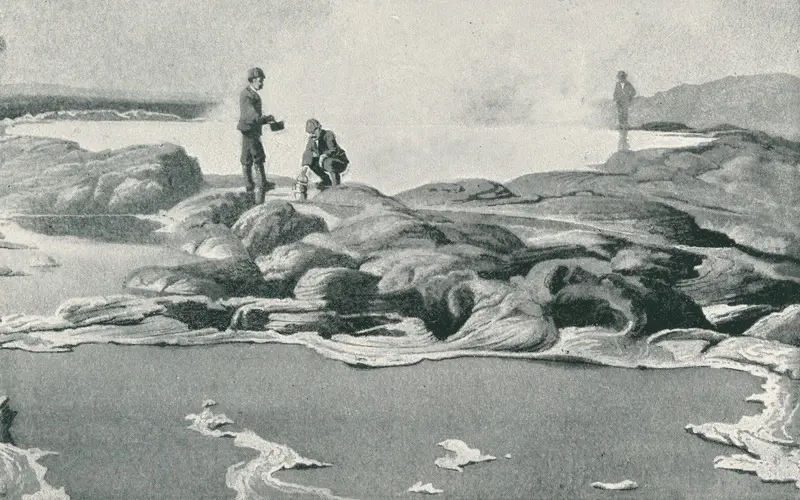
Her book ‘A girl’s ride in Iceland’ (1889) was the first of her publications and describes her 1886 journey to Iceland with her brother, Vaughan B. Harley, and three other friends, one of whom (Alexander Tweedie) would be her future husband. Arriving at Akureyri by steamer, Tweedie travelled along the north coast before heading to Reykjavík and Þingvellir. She also explored inland by pony, adopting the Icelandic women’s method of riding astride a horse, rather than the usual side-saddle, to cope with the distances travelled and the uneven ground of rocks, lava and frost mounds.
She was also well-known as a philanthropist and enthusiastic campaigner of women’s rights. During the First Word War she used her social standing to help raise considerable funds for the YMCA. She was also a life governor of University College Hospital and St Mary’s Hospital, London.

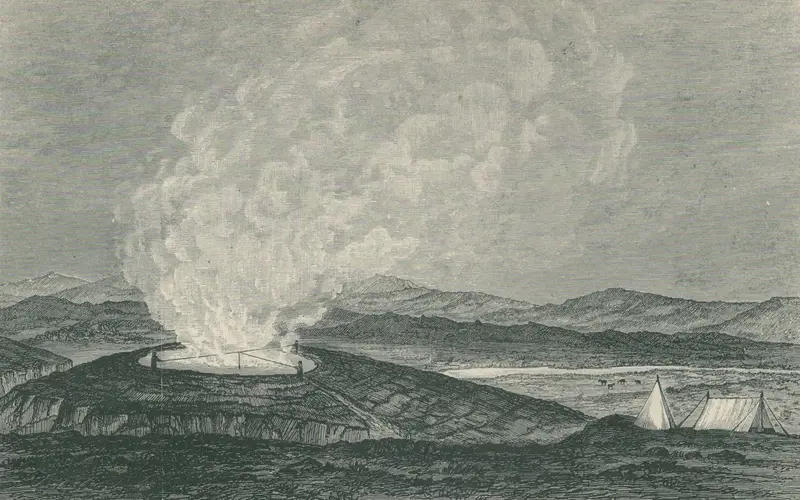
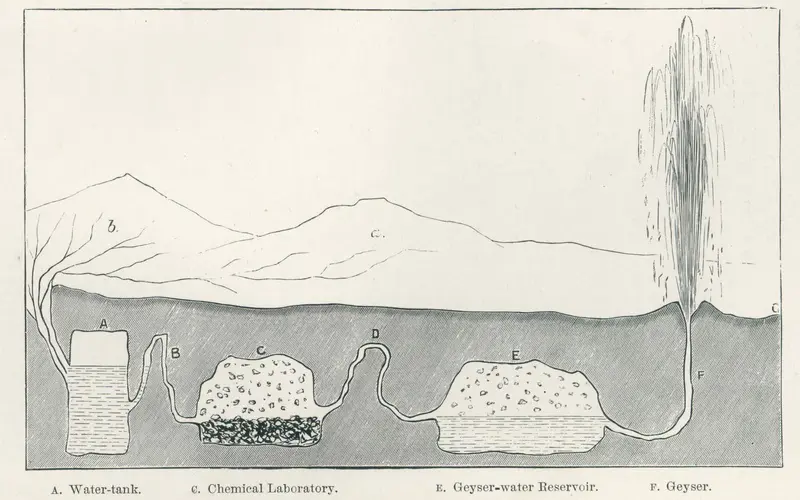
'Diagram of a geyser'. Illustration from 'A girls ride in Iceland' by Mrs Alec Tweedie, 1895
'Cooking in a geyser'. Illustration from 'A girls ride in Iceland' by Mrs Alec Tweedie, 1895
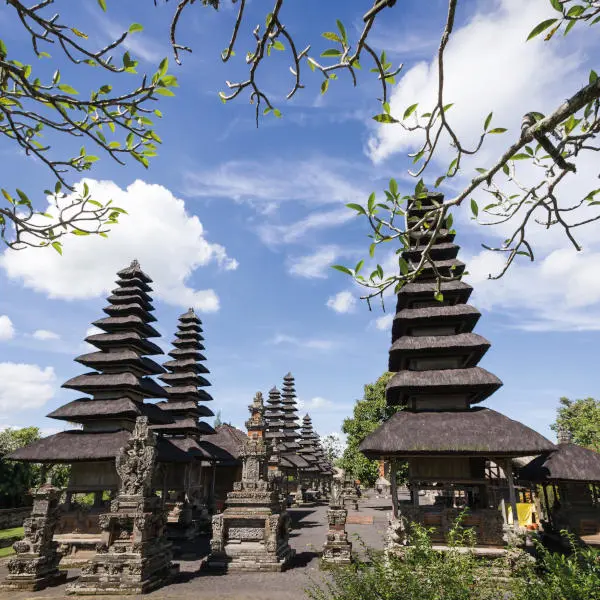
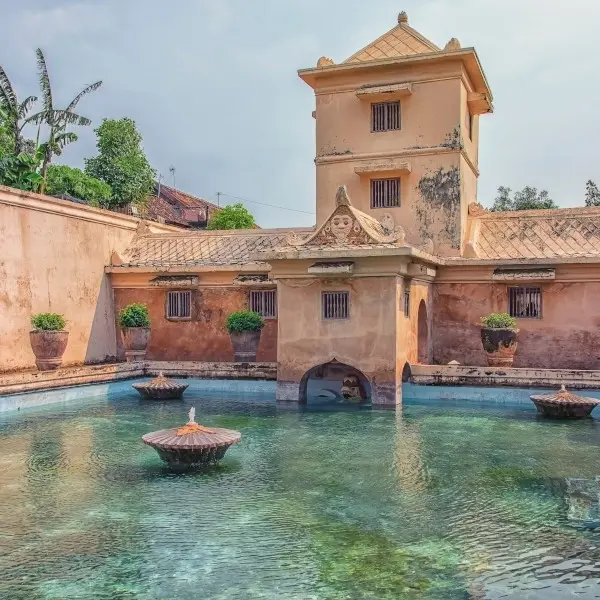
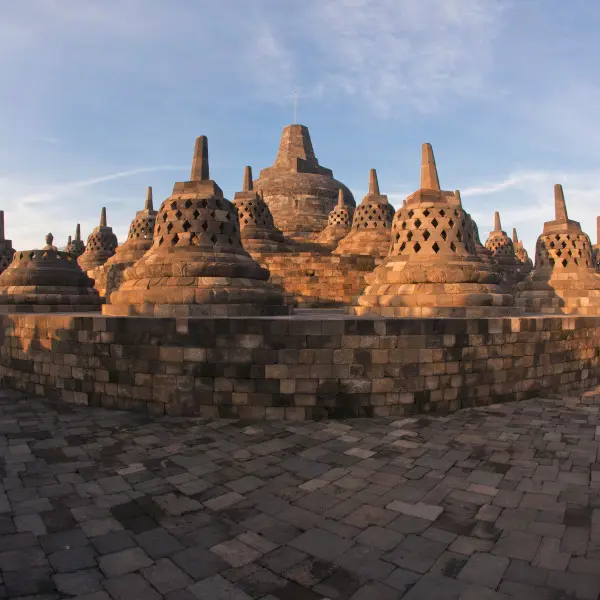
Discover the incredible diversity of Indonesia as you journey through Java and Komodo before unwinding in beautiful Bali.
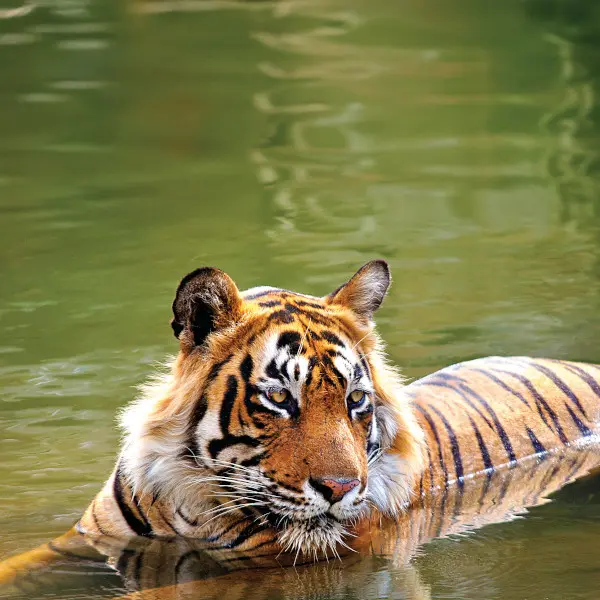
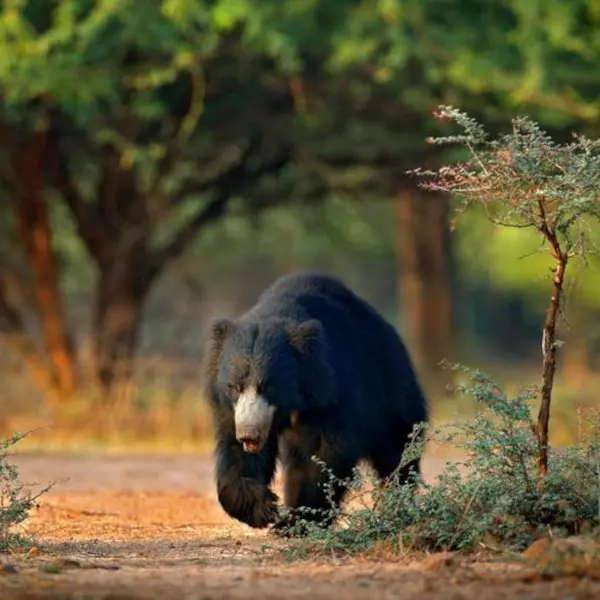
Discover India's diverse landscapes, from historic temples built by ancient dynasties to the forests where Bengal tigers roam freely.
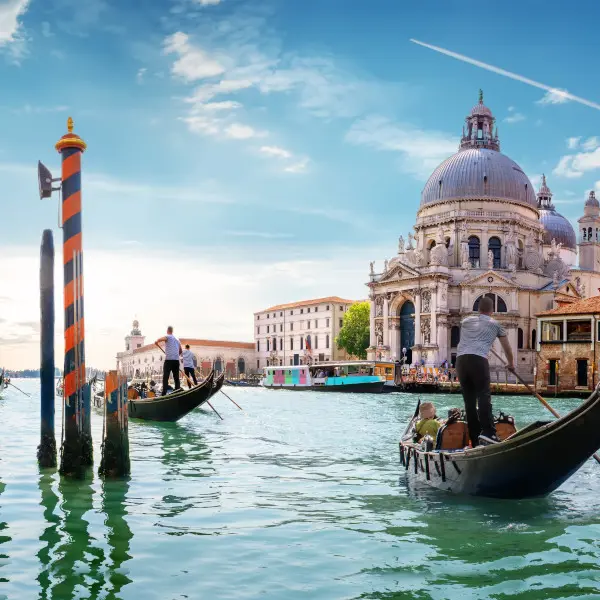
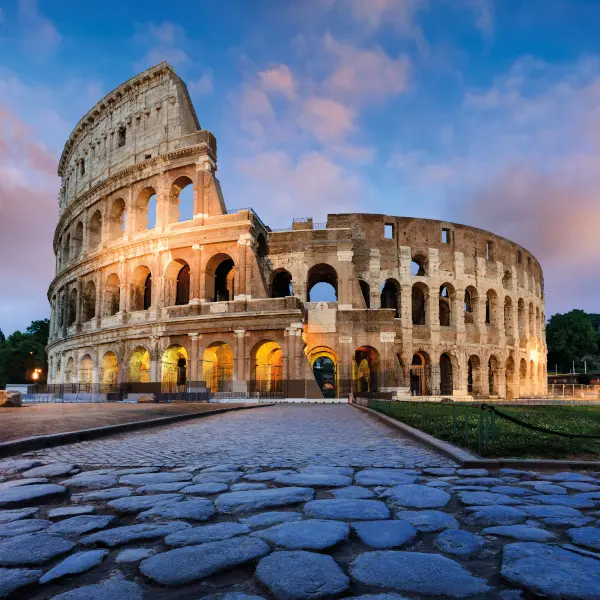
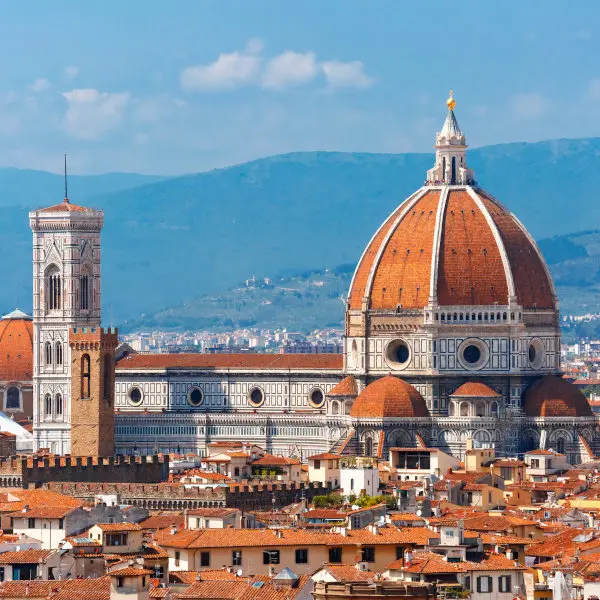
Part of the Royal Geographical Society collection, travel from top to toe and explore Italy’s famous landmarks. Visit iconic cities Venice, Florence and Rome and discover the hidden gems of Pompeii, Sicily and more.
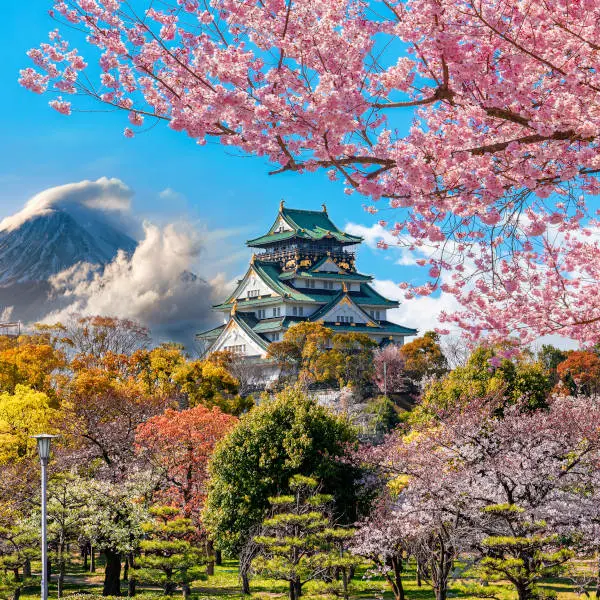
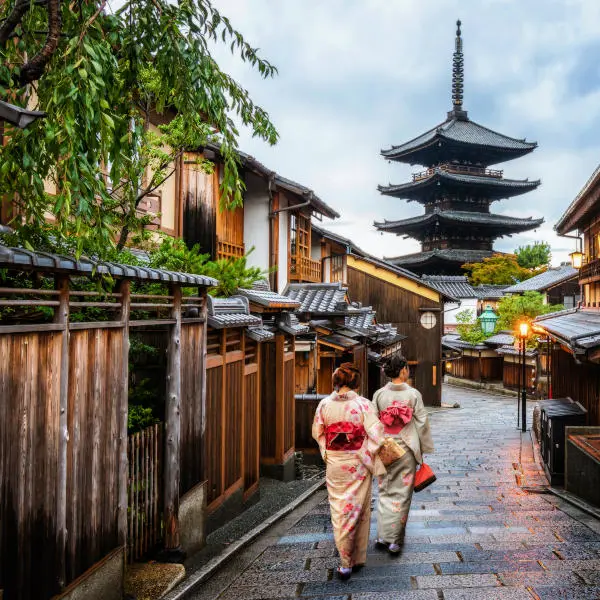
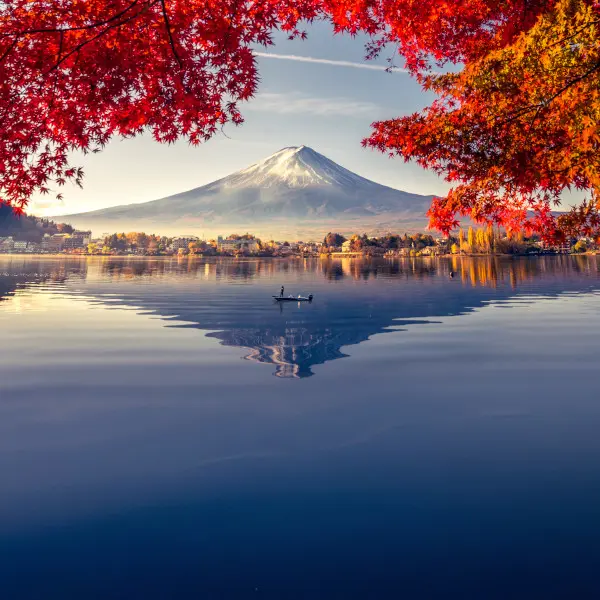
From Tokyo to Kyoto, Osaka and beyond, discover the unforgettable highlights of Japan including an incredible high-speed ride on the Bullet Train.
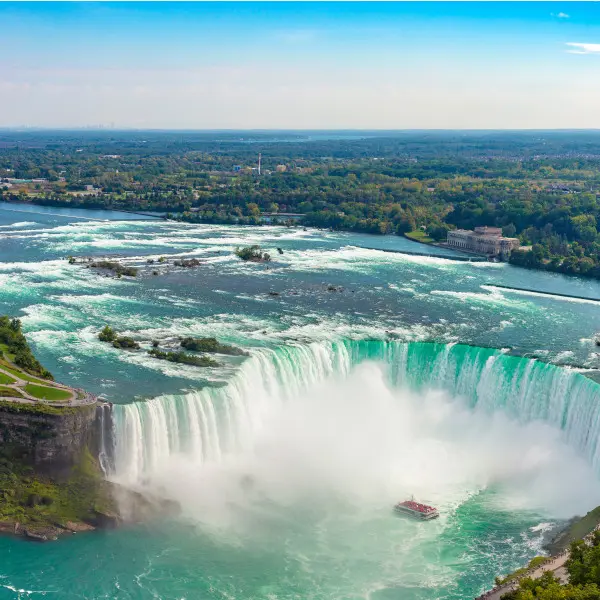
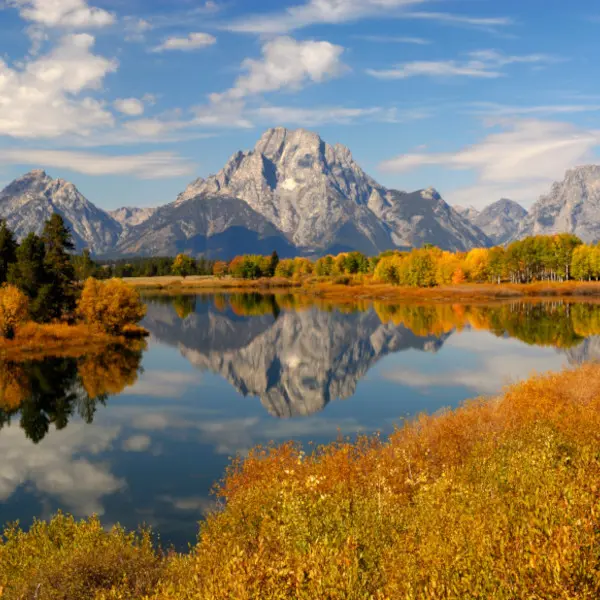
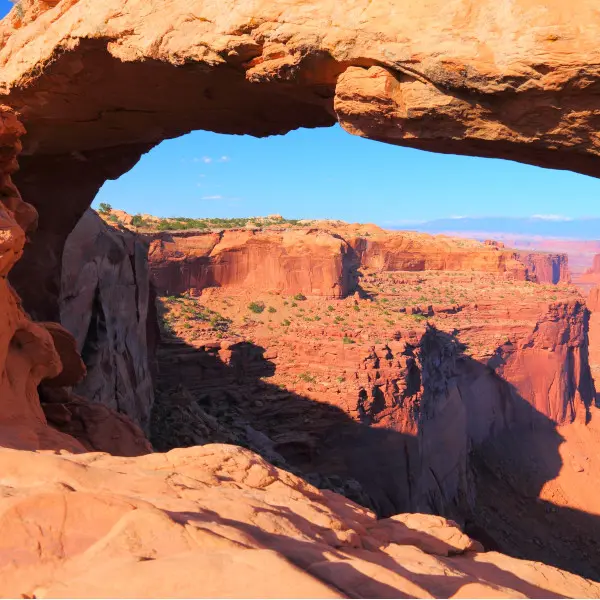
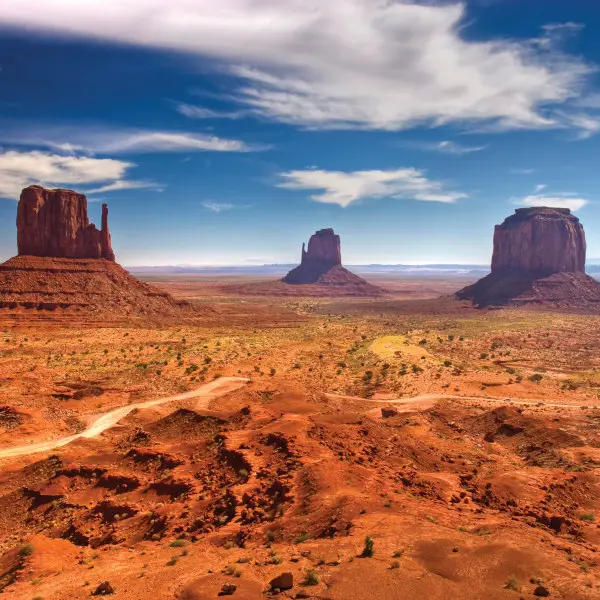
Venture through seven states and be mesmerised by the breath-taking and diverse scenery on this Royal Geographical Society tour to Americas National Parks.
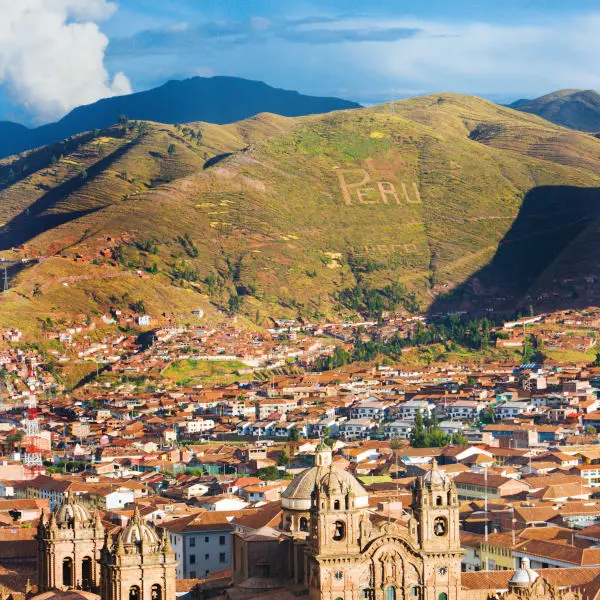
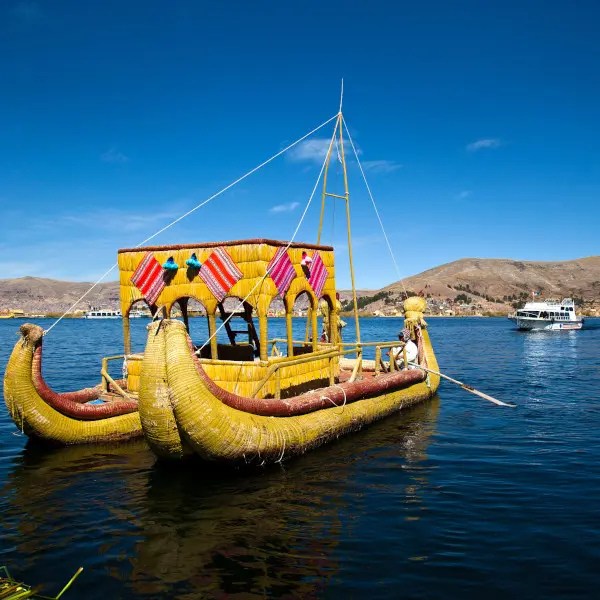
Soak up the spectacular sights and sounds of four Latin American countries - Peru, Bolivia, Argentina and Brazil - on a tour that's strictly for the adventurous.
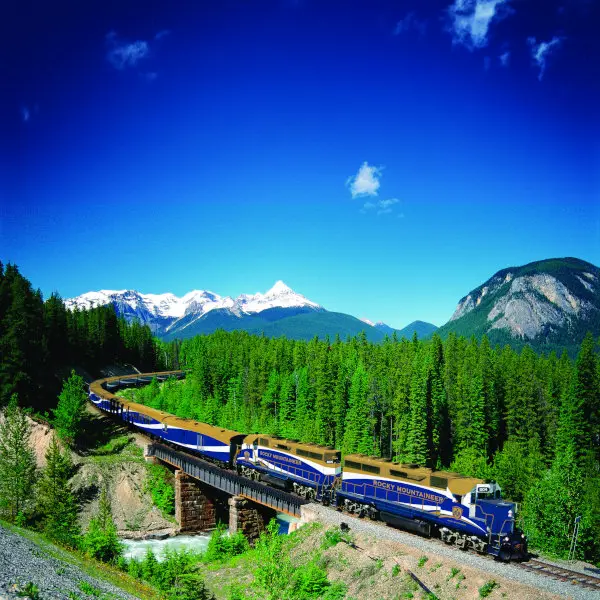
From east to west, this ultimate trip across Canada takes in all the must-see highlights and includes a breathtaking journey on the Rocky Mountaineer train.
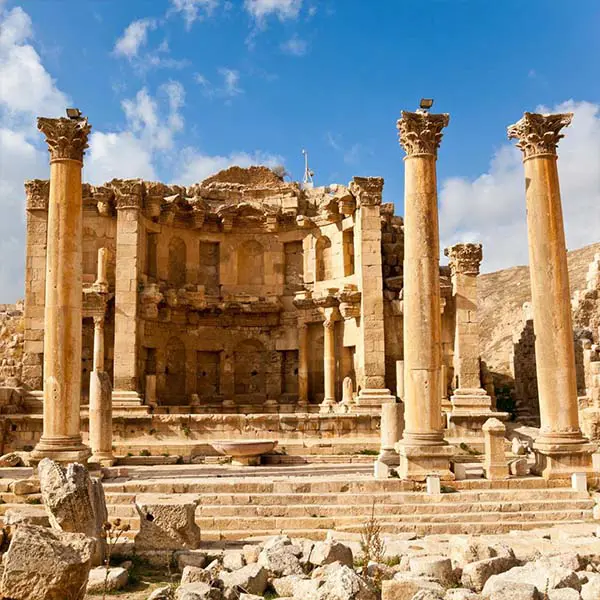
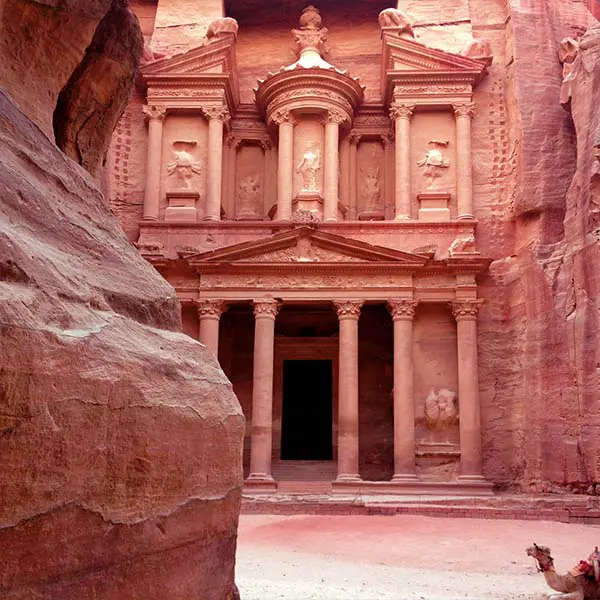
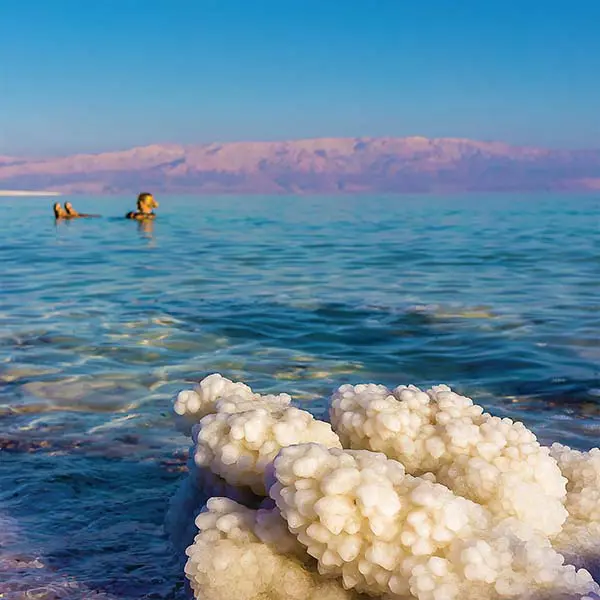
Discover historic and biblical sites, explore the 'Lost City' of Petra and soak up magical desert landscapes as you immerse yourself in Jordan's treasures.
All historical images (photos, artwork, maps) ©RGS-IBG