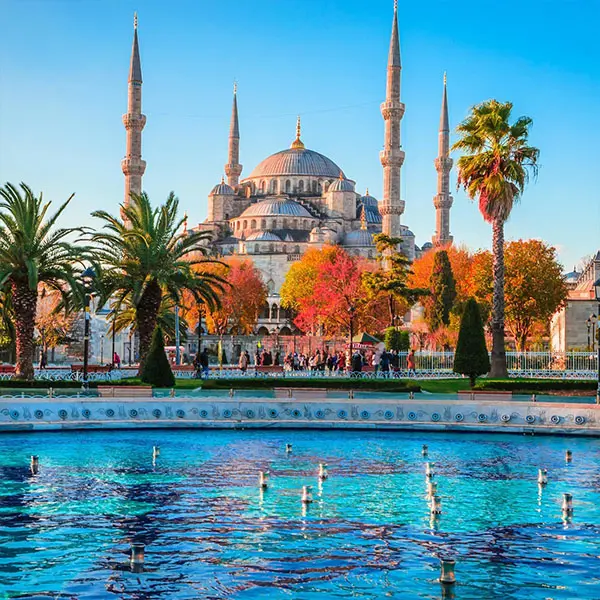
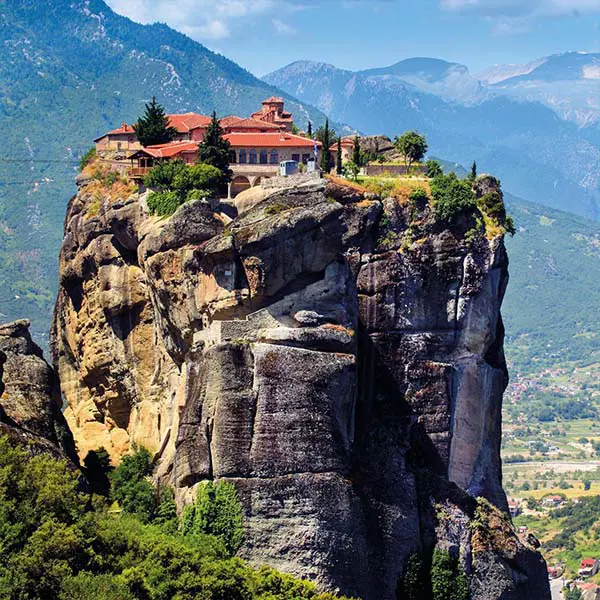
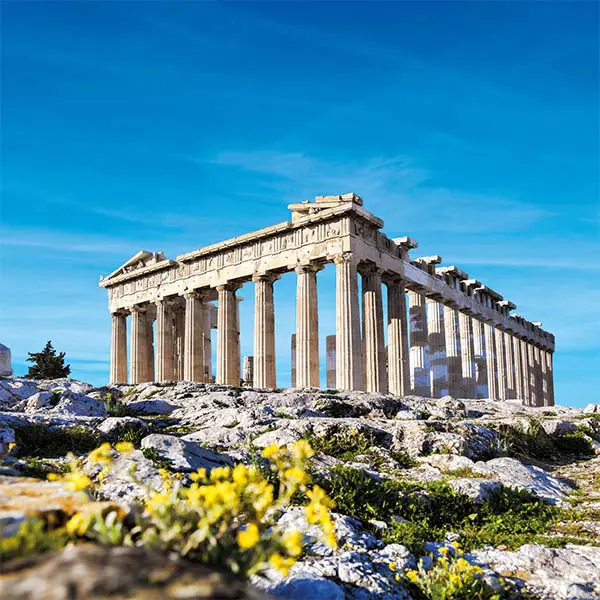
Treasures of Turkey
Delve into the rich culture and history of Turkiye on an intoxicating journey across this incredible land.
- Return flights
- 11 nights in 4-star hotels and 23 meals
- 23 meals: 11 breakfasts, 2 lunches and 10 dinners
Delve into the rich culture and history of Turkiye on an intoxicating journey across this incredible land.
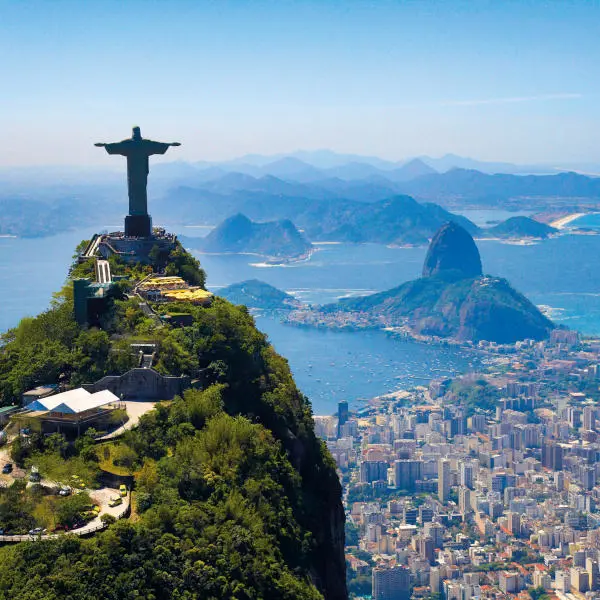
A chance to explore breathtaking sights in three fascinating South American countries.
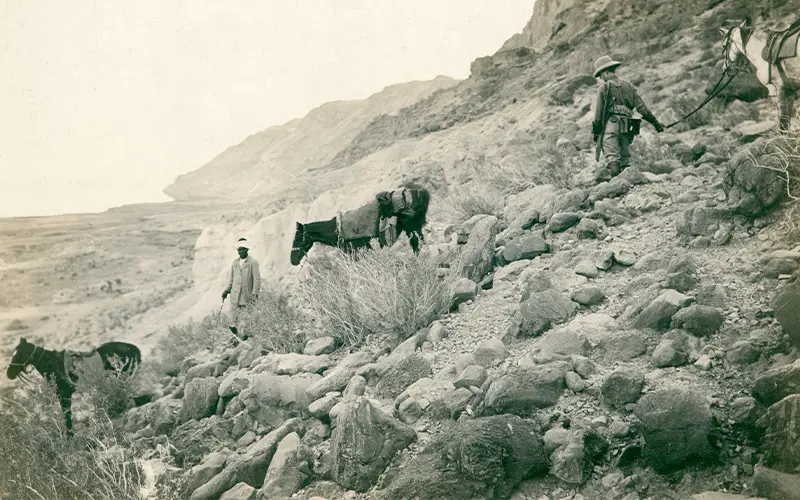
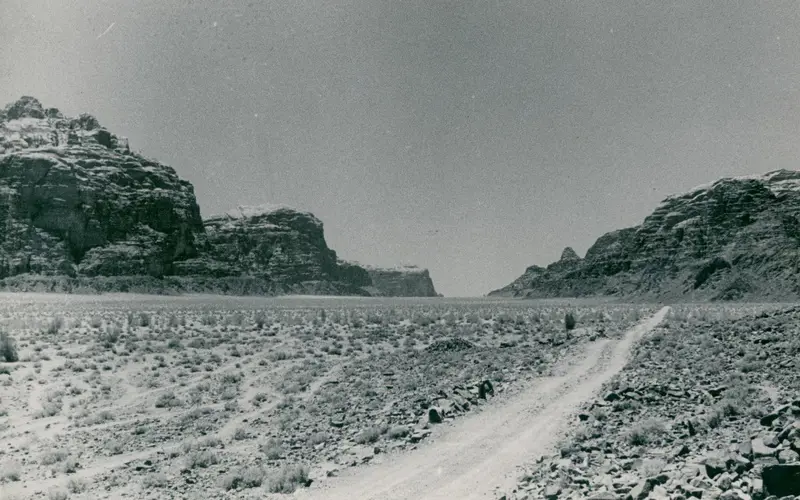
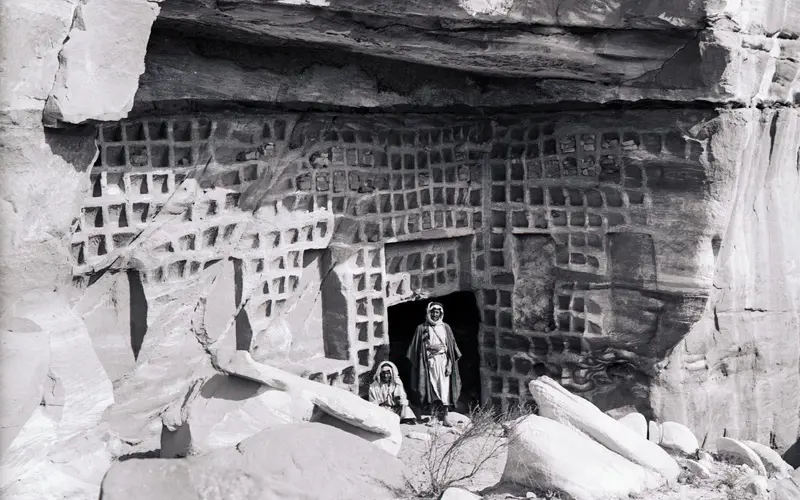
The Society’s archives comprise over 500 items specifically relating to the historical geography of Jordan, dating from the early 18th century to the present day. Highlights include the photographs and archaeological sketchbooks of British diplomat, archaeologist and explorer, Getrude Bell from the early 20th century, and the stunning watercolour sketches of David Roberts, reproduced as lithographs by Louis Haghe in the lavishly produced The Holy Land, Syria, Idumea, Arabia, Egypt, and Nubia (1842-3).
In the footsteps: Gertrude Lowthian Bell | In the footsteps: David Roberts | In the footsteps: T.E. Lawrence
Gertrude Bell was born in 1868 into a wealthy family of industrialists from County Durham. In 1892 she became the first woman to gain a first-class honours degree in history from Oxford. Following this achievement, she visited her uncle, Sir Frank Lascelles, British minister in Tehran and spent much of the next decade travelling around the world. In 1899 she spent the winter learning Arabic in Jerusalem and then travelled the Middle East, visiting several archaeological sites, including Petra and Baalbek. Her experiences during this period resulted in her first book ‘The desert and the sown’.
Her love for the desert and her fascination with archaeology led her to embark on an Arabian journey in 1913, becoming the second woman (after Lady Anne Blunt) to visit Ha’il. During this journey she visited Amman, Jordan, where she documented the archaeological sites, including the remains of the Roman baths.
Her knowledge of the Middle East attracted the attention of British Intelligence during the First World War. She worked for the Arab Bureau with colleagues such as T.E. Lawrence and played a key role in the success of their campaign against the Ottoman Empire. Bell was also instrumental in the creation of modern-day Iraq and devoted many years to the archaeology and cultural heritage of the country, establishing the Iraq Museum.
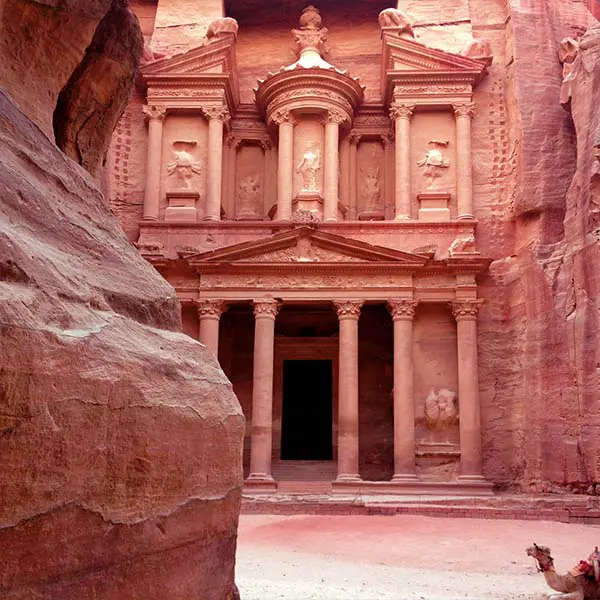
We got into a ravine a few yards wide with rocky walls a hundred feet high, which rose sheer on each side. This ravine continued for half a mile and sometimes we could not see the sky above, when it stopped it opened into a place where three other like ravines met and in the great cliff was cut out a magnificent temple as if it had been built yesterday. This was the finest bit of “ruin” we saw … The colour of the rocks is bewildering. The shades of red, yellow, black and white are too bright to be real; and the wild flowers grow in masses in the courts of ancient houses and amongst the ruins and the watercourses are overhung with oleander. The whole place is a sort of garden of Eden, dumped down in the desert.
DOUGLAS CARRUTHERS, describing Petra in his diary, 27 April 1905
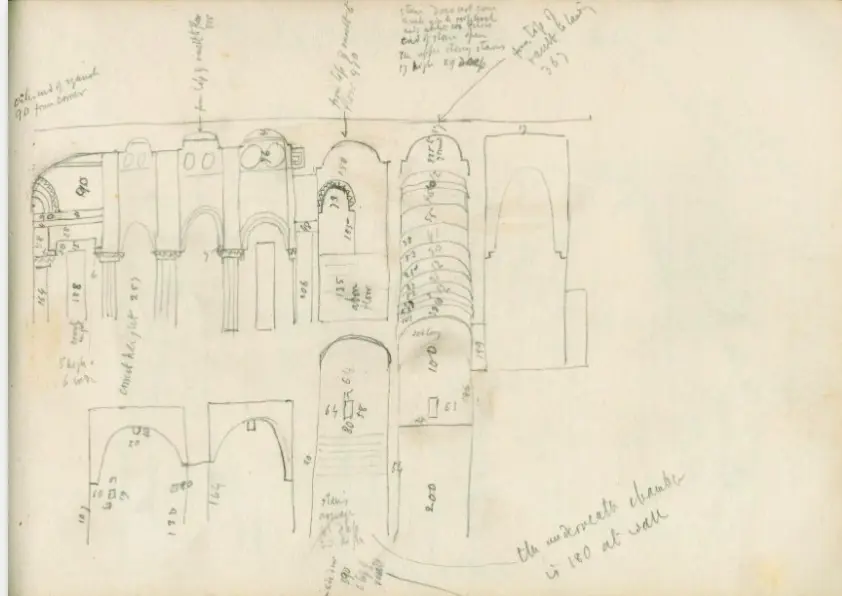
Sketch of section of the inside of Qasr Al Kharaneh. Taken from one of Gertrude Bell’s notebooks, containing plans of churches, copies of inscriptions and other notes in Syria, Iraq and Jordan between 1905 and 1914.
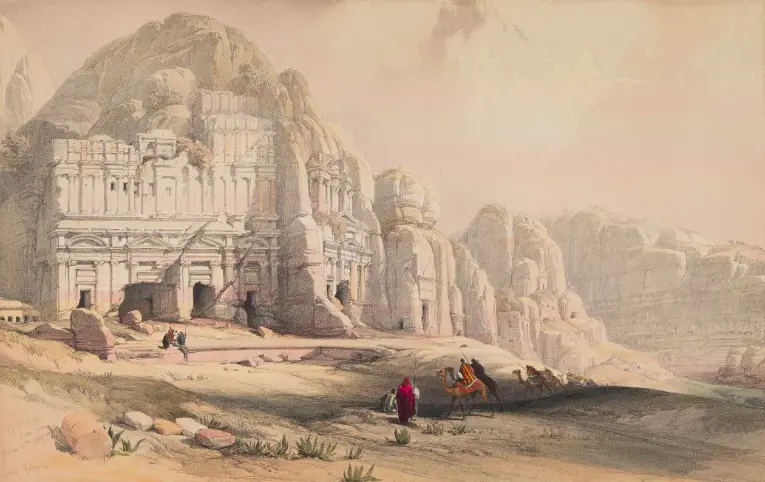
David Roberts was a Scottish artist and a prominent Orientalist painter who began his artistic career as a scenic designer and stage painter, working at the Pantheon Theatre, Edinburgh and the Theatre Royal, Glasgow before moving to London to work at the Royal Coburg Theatre (now the Old Vic).
Following a suggestion by fellow artist J.M.W. Turner to abandon his stage and scene painting to become a full-time artist, Roberts began a tour of Egypt, Syria and Palestine in August 1838. Throughout his journey he produced a vast number of sketches and watercolours of the landscapes, buildings and monuments of the region. Back in London, he exhibited his work and began working towards publishing his sketches. Working with the lithographer, Louis Hague, he produced a series of lavishly illustrated plates published in a series of six large volumes, titled, ‘The Holy Land’ and ’Egypt & Nubia’. The complete set brought fame and fortune to Roberts. It took a full eight years to complete and involved two lithographers and many artists to colour each individual lithograph.
‘Petra, showing the upper or eastern end of the valley’. Illustration from ‘The Holy Land, Syria, Idumea, Arabia, Egypt, & Nubia’ by David Roberts, 1842-3
Born in North Wales in 1888, Thomas Edward Lawrence, later known as ‘Lawrence of Arabia’, was an archaeologist, military strategist and British intelligence officer and is best known for his role in the Middle East during the First World War. He attended Jesus College, Oxford where he obtained a first-class degree in history and was awarded a travelling fellowship, joining the British Museum expedition to excavate the Hittite city of Carchemish. In early 1914 he joined an archaeological survey of the Negev and country south of Beersheba for the Palestine Exploration Fund.
On the outbreak of the First World War, Lawrence became an intelligence officer in Egypt, spending two years in what was later called the Arab Bureau. He was posted to Hejaz to work with the Hashemite forces towards an uprising against the ruling Ottoman Empire. He joined Faisal, the son of the revolt’s leader, Hussein bin Ali, Grand Sharif of Mecca, as liaison officer and advisor. With Lawrence’s influence and the wider British military strategy, the Arab forces won their first major victory in June 1917, seizing the Red Sea port of Aqaba. They continued to successfully forge northwards, taking Damascus in 1918. Lawrence hoped their success would result in the foundation of an independent Arab state after the First World War, however, the British and French governments had already settled on the Sykes-Picot Agreement of May 1916, which divided up the Turkish-held Arab territories into French and British administered areas.

Discover the incredible diversity of Indonesia as you journey through Java and Komodo before unwinding in beautiful Bali.
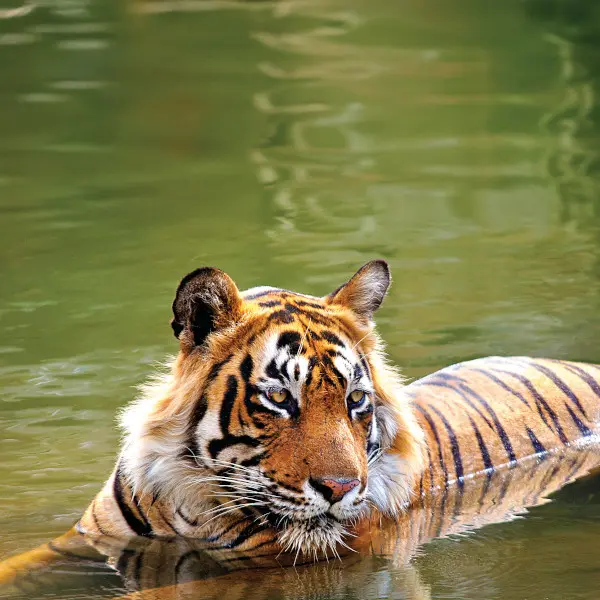
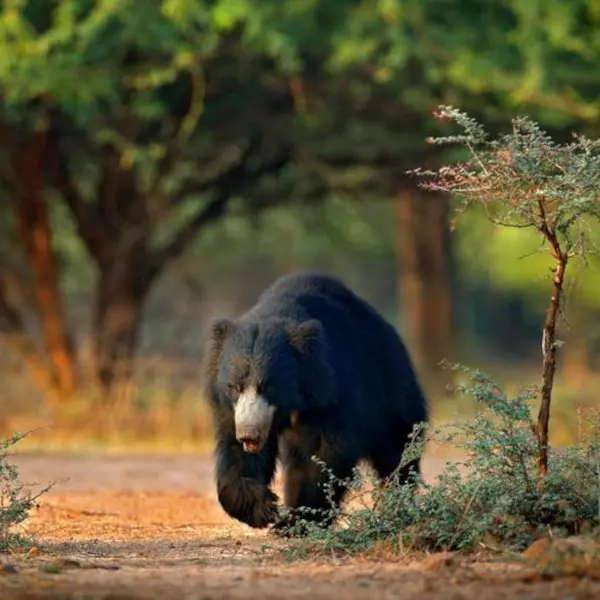
Discover India's diverse landscapes, from historic temples built by ancient dynasties to the forests where Bengal tigers roam freely.
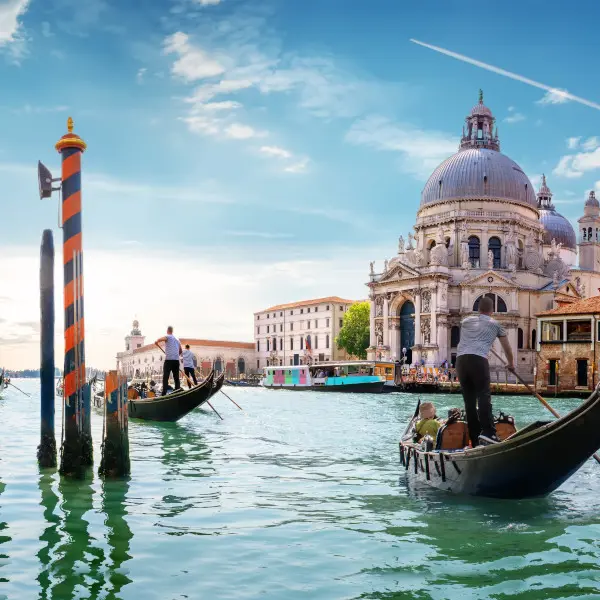
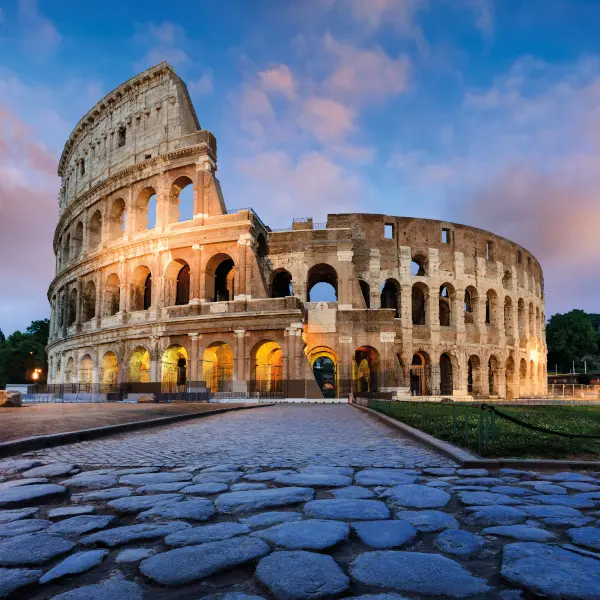
Part of the Royal Geographical Society collection, travel from top to toe and explore Italy’s famous landmarks. Visit iconic cities Venice, Florence and Rome and discover the hidden gems of Pompeii, Sicily and more.
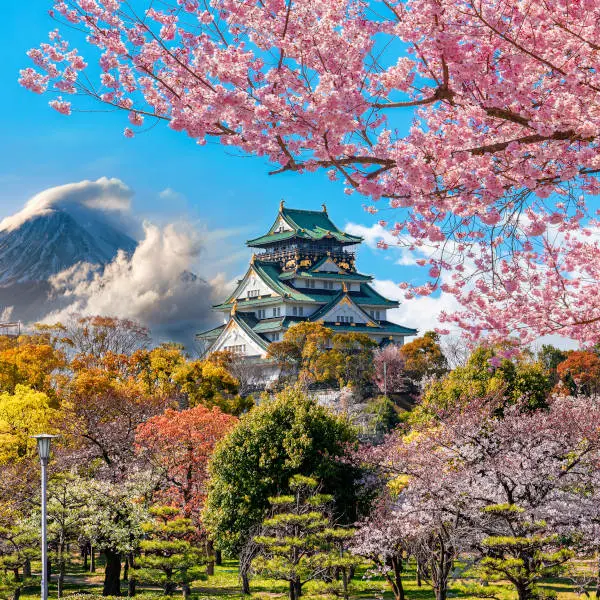
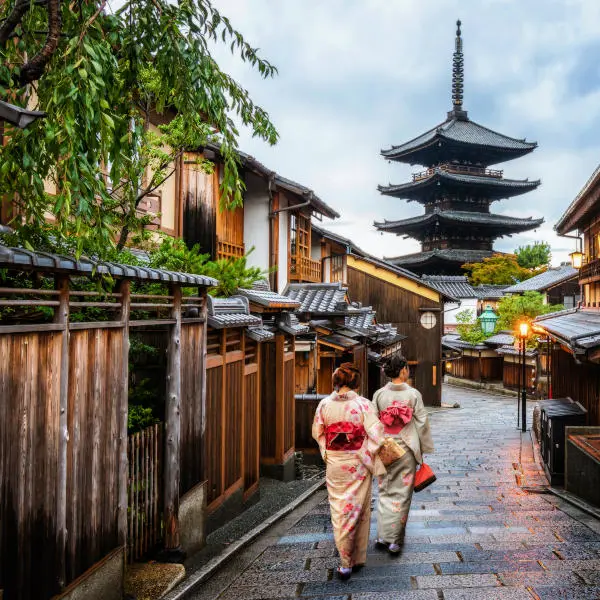
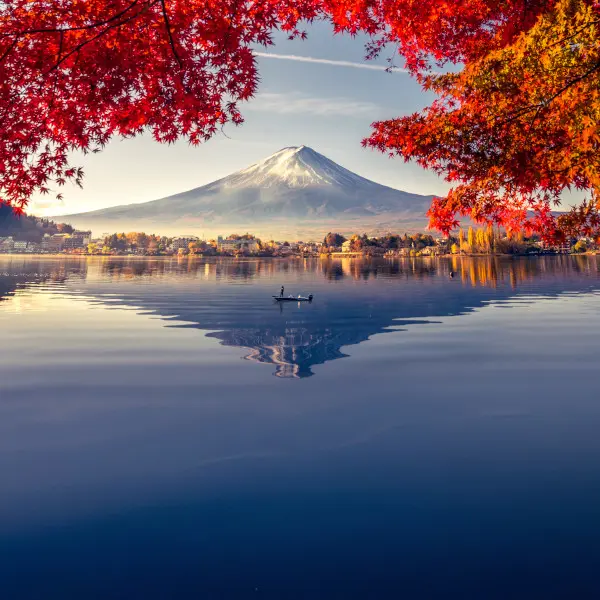
From Tokyo to Kyoto, Osaka and beyond, discover the unforgettable highlights of Japan including an incredible high-speed ride on the Bullet Train.
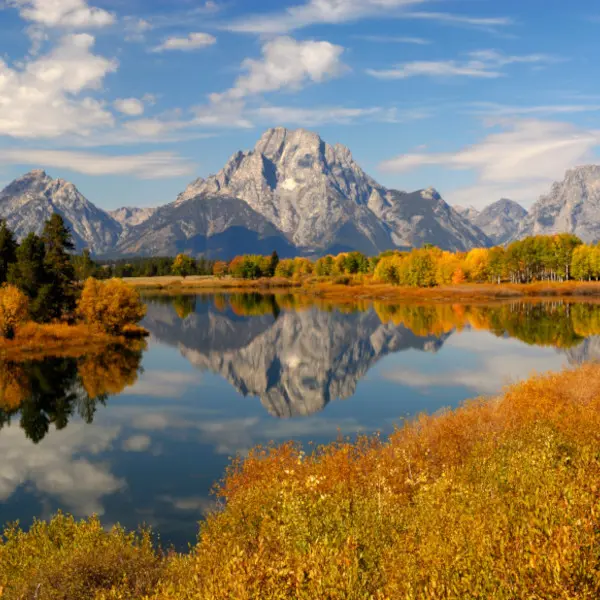
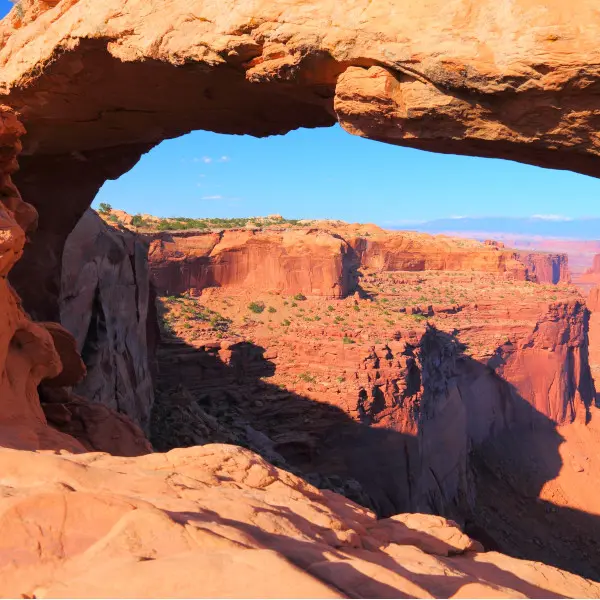
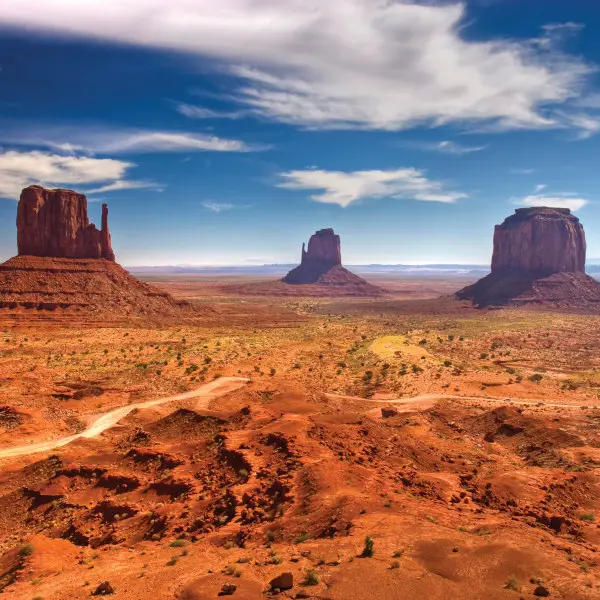
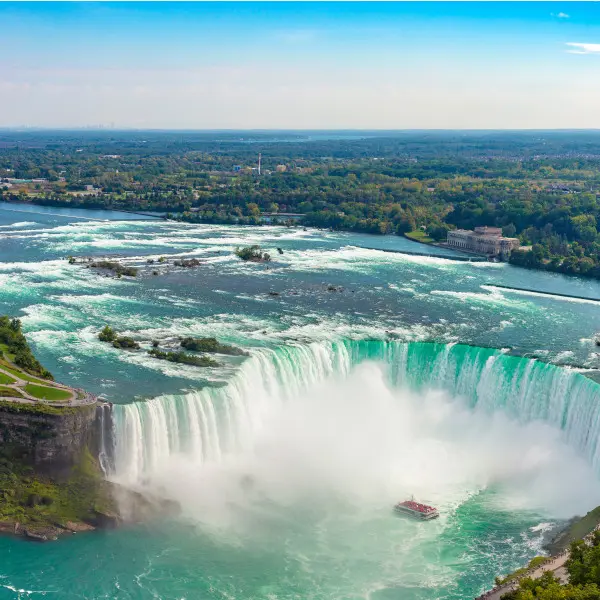
Venture through seven states and be mesmerised by the breath-taking and diverse scenery on this Royal Geographical Society tour to Americas National Parks.
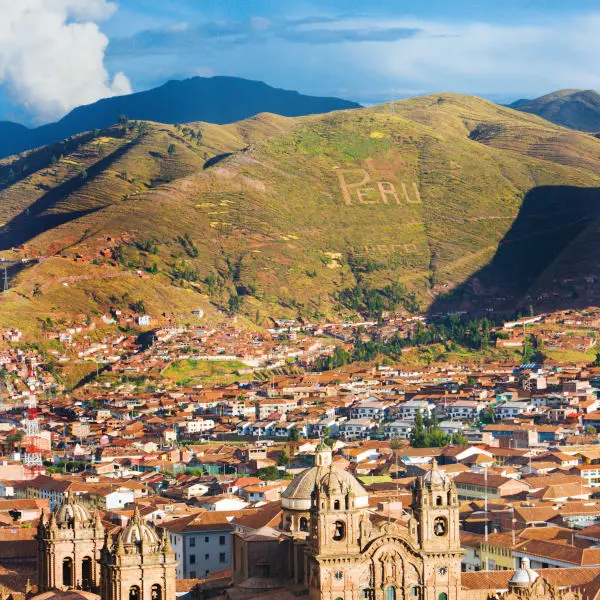
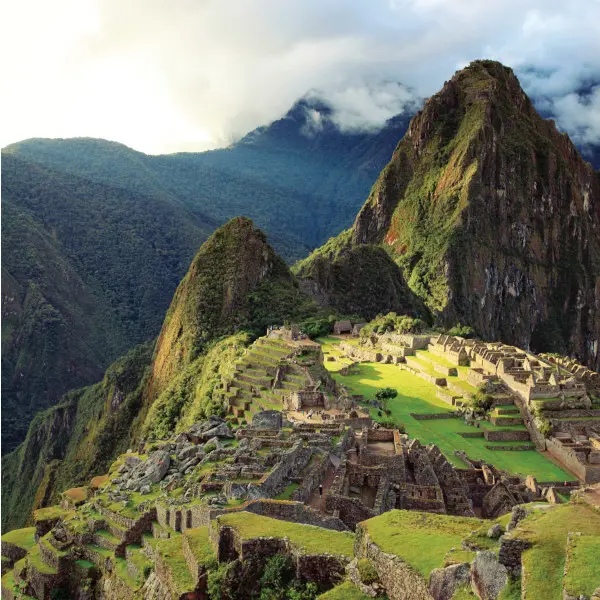
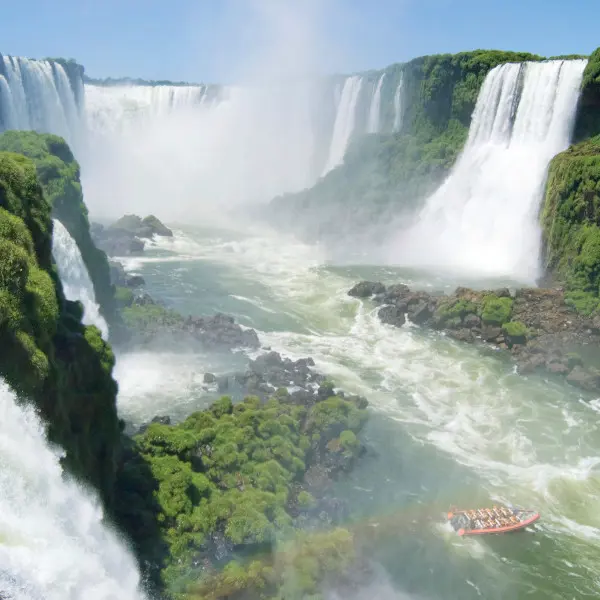
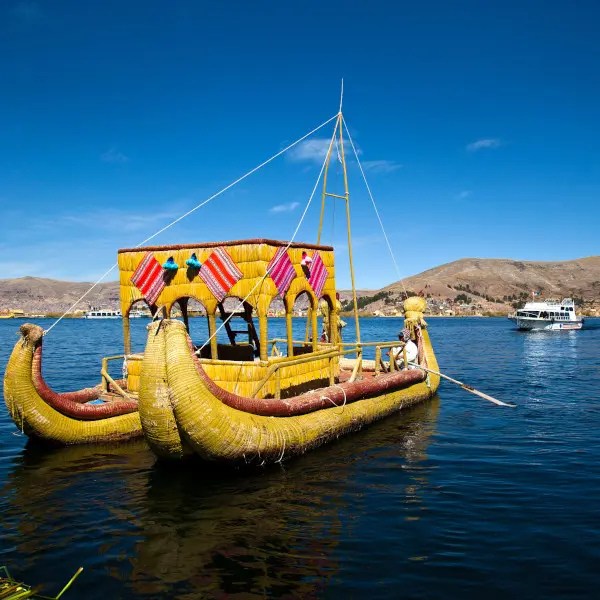
Soak up the spectacular sights and sounds of four Latin American countries - Peru, Bolivia, Argentina and Brazil - on a tour that's strictly for the adventurous.
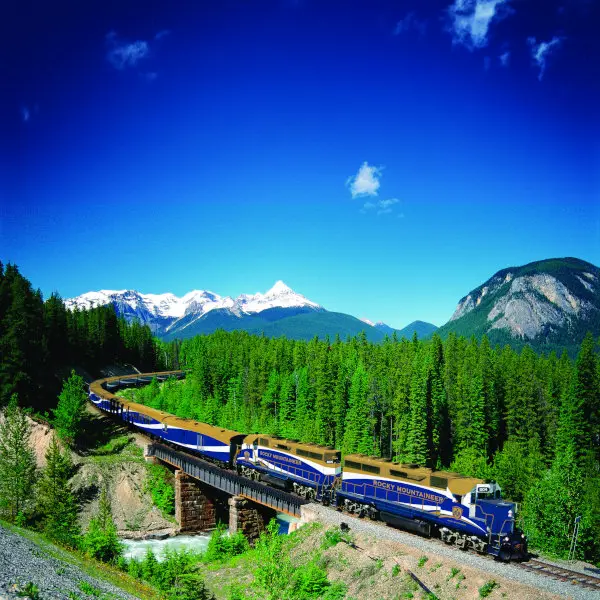
From east to west, this ultimate trip across Canada takes in all the must-see highlights and includes a breathtaking journey on the Rocky Mountaineer train.
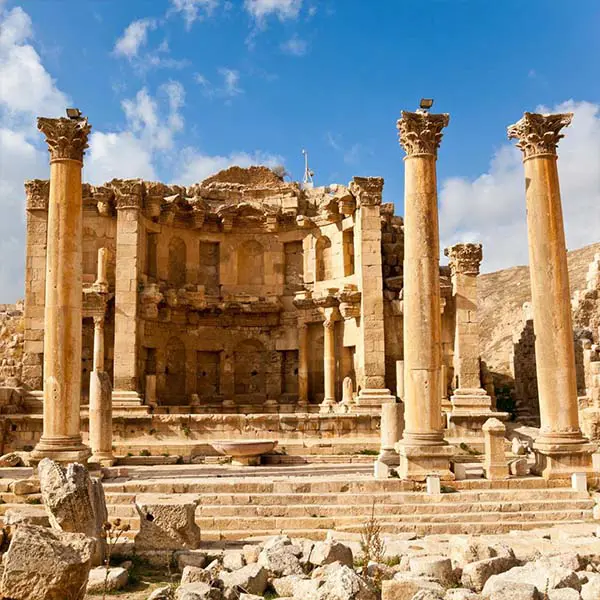
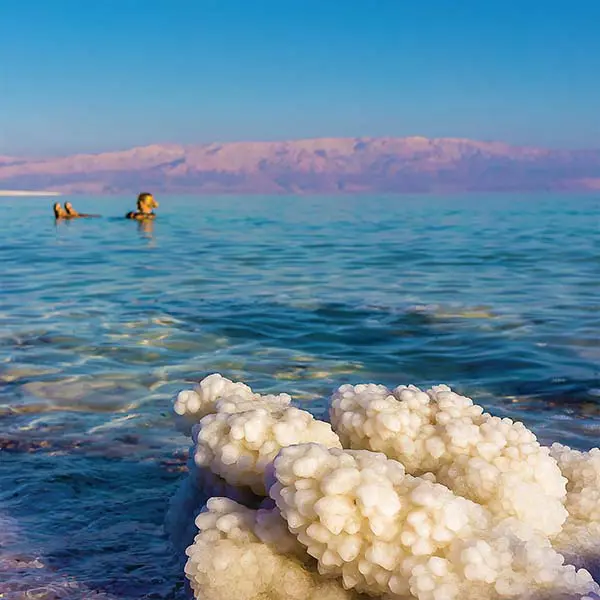
Discover historic and biblical sites, explore the 'Lost City' of Petra and soak up magical desert landscapes as you immerse yourself in Jordan's treasures.
All historical images (photos, artwork, maps) ©RGS-IBG